
Sp5der Hoodie Materials: Exactly What You’re Really Investing For
At $200 to $500 per hoodie, a Sp5der hoodie is a substantial monetary commitment. That cost naturally creates a valid inquiry: precisely what are you spending for? Is it purely label prestige, or is there demonstrable production caliber that warrants the cost? The clear-eyed assessment is a combination — but the physical caliber argument is more compelling than critics may think. Sp5der is not a fast-fashion brand skimping on cloth to boost profits. In 2026, the name incorporates elevated textiles and assembly techniques that put it meaningfully above standard street fashion in terms of longevity, how it feels, and lasting power. This detailed breakdown into Sp5der’s materials breaks down specifically what makes up every spider hoodie and if the financial commitment makes sense for diverse types of shoppers.
The Fabric: What Sp5der Hoodies Are Crafted Using
The foundation of any premium hoodie is its textile, and Sp5der doesn’t compromise here. Genuine Sp5der hoodies are constructed from a heavy French terry cotton mixture, commonly a pairing of 80% fine-spun cotton material and 20% polyester. The fine-spun cotton component is processed to strip out short particles and contaminants, delivering a finer tougher yarn than basic cotton fiber. This mixture reaches a textile thickness of about 400 to 450 gsm — considerably weightier than the 250–300 gsm fabrics used in cheap street fashion. The higher density translates directly into heat retention, body, and a substantial texture that communicates excellence the moment you lift the item. The inside fleece interior fabric adds one more level of comfort, with a softened loop construction that is velvety against bare skin while not flattening or deteriorating fast.
Build Quality: Seams and Construction Durability
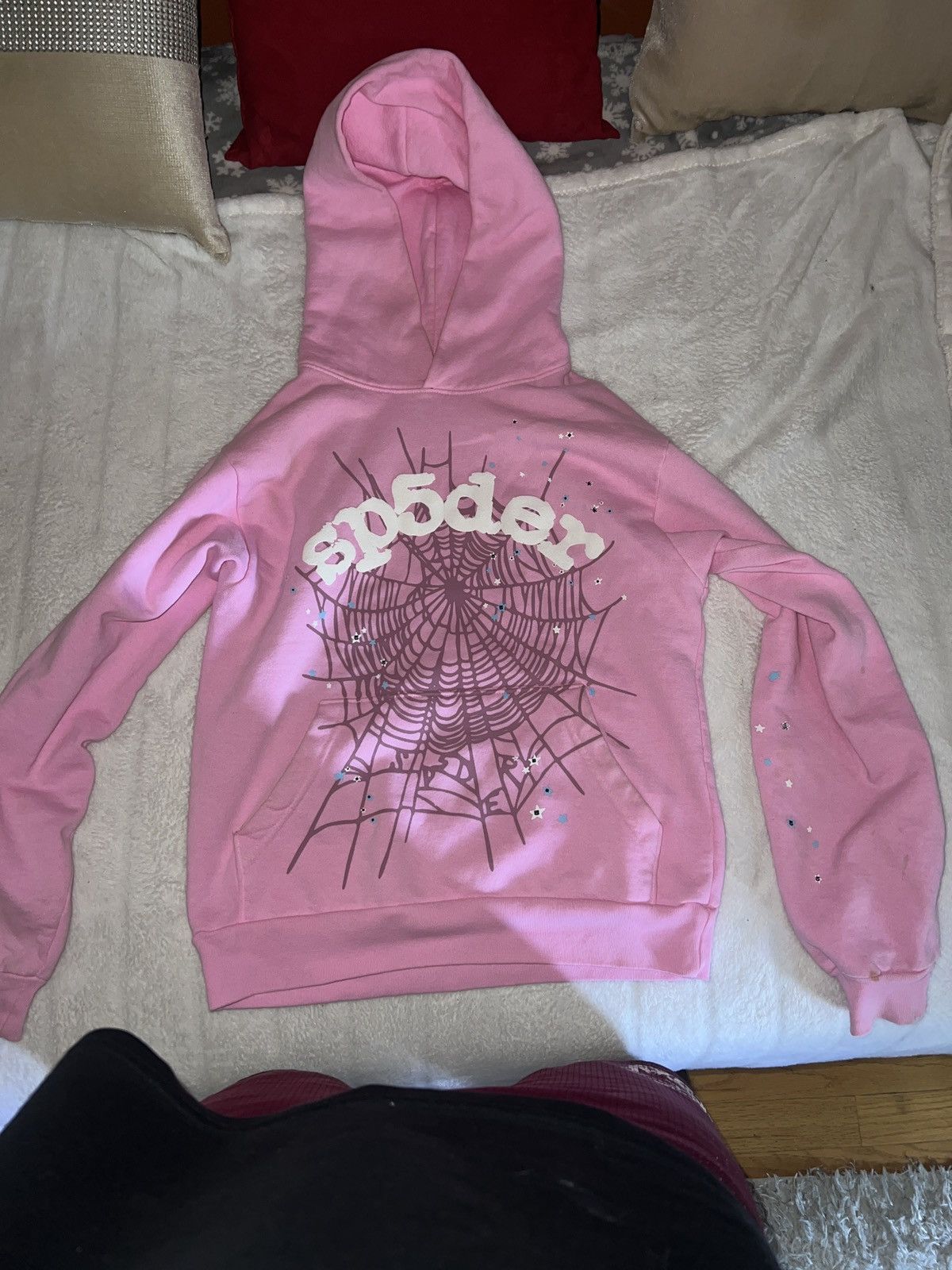
Cloth quality by itself doesn’t determine a item’s durability — assembly standards is equally significant. Sp5der hoodies use chain stitch method on the main stitching lines, a method that produces tougher more elastic seam lines than the lock-stitch method typical of low-cost garments. Chain stitching lets the join to expand with the material throughout movement while not giving way, which is especially significant for hoodies worn while doing vigorous activity. The stitch frequency on authentic Sp5der https://www.spiderhoodie.org/sp5der-t-shirts/ garments is reliably substantial, with about 10–12 stitching points per inch on the core stitching lines, against the 6–8 stitching points per inch found on cheaper garments. The textured cuffs and bottom band are woven with a firmer longer-lasting weave that preserves give across repeated wash cycles and use. Extra stitching on stress areas — the underarm, pocket edge seams, and head seam join — provides further resilience at the spots most likely to wear.
The Print and Graphic Process
The artwork on a Sp5der hoodie is far from a basic flat print — it’s a multi-step approach that integrates multiple processes to create the label’s trademark look. The base web artwork is applied using thick-ink graphic application, which lays down a denser coat of pigment than typical screen printing and generates a elevated sculpted surface. Highlight elements — notably the spider symbol and label text — are improved with embroidery, providing dimension and aesthetic richness that ink application on its own cannot deliver. A last heat-sealing stage protects the print against cleaning damage, confirming the graphic maintains its clarity and visual quality across numerous wash cycles. The pigment formulas relied on by Sp5der are designed to maintain color fastness under sun radiation, ensuring the hoodie’s graphics don’t show fading particularly when used in natural light consistently. This multi-step approach to artwork is integral to what distinguishes Sp5der from budget options that employ a basic plain printing technique.
Quality and Quality Breakdown: Sp5der versus the Competition
| Attribute | Sp5der Hoodie | Mid-Range Street Fashion ($80–$120) | Budget Hoodie ($20–$40) |
|---|---|---|---|
| Material content | 80% combed cotton / 20% polyester | 60–70% cotton / 30–40% polyester | 50% cotton / 50% polyester or lower cotton content |
| Fabric thickness | 400–450 gsm | 280–350 gsm | 180–250 gsm |
| Construction type | Chain-stitch (main seams) | Lock-stitch | Lock-stitch, less dense density |
| Artwork method | Elevated-ink printing + embroidery | Regular screen print | DTG (direct-to-garment) or sublimation |
| Interior fabric | Raised French terry fabric | Basic fleece or jersey | Minimal or no interior fabric |
| Estimated durability | 5–10+ years with appropriate maintenance | 2–4 years | 6–18 months |
Finishing Details and Details: The Little Elements That Count
High-quality garment caliber extends to the minor elements that the majority of shoppers don’t actively observe but intuitively register. Sp5der hoodies use brass eyelets for the cord passage rather than PVC — these resist breaking under tension and won’t crack or chip with extended wear. The drawstring itself is a ribbon textile pull with the label logo marked at specific spots, not the tubular synthetic string typical of inexpensive hoodies. Zipper fasteners, where featured in Sp5der items, employs YKK zippers — the industry benchmark for consistent function and longevity, relied on by premium and high-quality apparel manufacturers internationally. Even the attached card is a premium sign: thick paper, sharp print work, and a strongly connected cord cord rather than a inferior fastener. These features represent little cost to creating but combined communicate a label’s commitment to premium craftsmanship in every part of the garment.
The Way Sp5der Hoodies Age: Longevity Review
A elevated hoodie should hold up a long time, rather than months — and the Sp5der hoodie delivers on this standard when cared for correctly. The heavyweight premium cotton-blend fabric withstands balling up significantly better than less substantial textiles, keeping its smooth outer feel appearance across long-term wear. The chain-stitch construction move without failing, resulting in the garment quality of the garment holds whole even after hundreds of laundry cycles. The graphic, applied with thermally bonded elevated-ink color over stitching, does not crack or come off the manner cheaper graphics do; the color can slowly settle with age, but the artwork holds its sharpness. Users who apply correct washing steps — cold washing, gentle wash setting, no tumble drying — commonly note their Sp5der hoodies appearing practically as good as new after 3–4 years of everyday wearing. The lifespan argument validates the price when assessed on a cost-per-wear basis.
Is the Investment Warranted? A Last Assessment
The matter of price justification in premium streetwear is never completely mathematical — label cachet, social currency, and collective belonging are actual factors of everything you’re committing money for. Still, the physical and build position for Sp5der holds independently of the brand story. The heavy combed cotton textile, chain stitch method, multi-step prints, and premium finishing are genuine investments in the product that lower-cost options simply never make. Highsnobiety’s material analysis of high-end streetwear brands in 2025 reported that Sp5der’s textile heaviness and construction caliber positioned it in the top level of the space, equivalent to brands charging the same or higher price points. For a consumer who prioritizes how long it lasts, wearability, and owning a piece that appears and registers as high-quality many years after acquisition, the Sp5der hoodie delivers a justified return on investment that reaches much further than the name on its chest.